Easy Container Herb Garden for Beginners: Starting Over on a Budget
DISCLAIMER: This page contains affiliate links. Purchases made through such links may earn a small commission at no extra cost to you. I always have my readers’ interest at heart. Also, as an Amazon Associate, I earn from qualifying purchases. See full disclosure here.
Gardening is how I unwind. When my hands are in the dirt, the stress and tension I’ve been carrying let go, and when something I planted actually grows, I get a real sense of accomplishment. I grew that. It also saves me money, and I get to use everything I grow. My herb garden started small, and I’ve kept it in containers, so it stays doable and affordable. That’s what I love about container gardening.
But gardening takes time, and this year I didn’t have any to give it. I was traveling a lot for months. An unexpected leak at home turned into a renovation, and the house chaos that came with it used up whatever time and energy I had left. When you have too much going on and can’t balance it, a garden is one of the first things to suffer.
DISCLAIMER: This page contains affiliate links. Purchases made through such links may earn me a small commission at no extra cost to you. I always have my readers’ interest at heart. Also, as an Amazon Associate, I earn from qualifying purchases. See full disclosure here.
Table of Contents
What Happens to a Garden When You’re Not Home
Here’s what I came back to. My basil had been full and healthy, and it flowered. I wasn’t surprised so much as disappointed. I never thought about flowering while I was traveling, and I guess I thought I had more time. You learn. My rosemary had turned into an overgrown bush, and it flowered too. I also had so much lemongrass that I couldn’t possibly use all of it.
Then the hurricane came, and most of my herbs got messed up. We pulled in as much as we could before the storm, but there were too many pots and not enough room to store them. The rest stayed where they were or got moved closer to the house. If I lost them, I lost them. Plants can be replaced.
Looking back, it comes down to something I keep relearning: a garden needs time and a plan. Planting takes time. If you’re going to travel, figure out who can help while you’re away, and see if you can set up your trips around your planting instead of the other way around.
Starting Over With What I Had
A lot of wood arrived in the backyard, and it needed to be cleaned up. I don’t have big oaks like some of my neighbors, so I didn’t have to worry about that, which helped. Still, cleaning up and starting over is something. I did a lot of clearing out and threw a lot into the trash for debris pickup. In Florida, we deal with this. You learn a lot about what you can and can’t do, and what the best approach is. Once the yard was cleared, I needed a plan for how to tackle a new garden I could actually use.
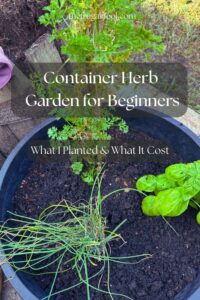
My plan was to start small and build something bigger later. I used whatever containers I already had on hand, so I didn’t buy a single pot. The trick is doing all of it without spending a lot of money.
📌 Save this Pin for Later 📌
Why I Buy Plants Instead of Seeds
A lot of people try to grow from seeds, but unless you start early and prepare before planting, it’s hard to get them to work. I don’t bother, because with seeds you can never tell if they’re any good. I’ve bought a lot of seeds that were bad and just didn’t germinate. So I start with plants that are already potted, and I’ve found that it’s better. In the long run it saves me both time and money.
What I Planted
This is the fresh start:
- Buttercrunch lettuce: a six-pack of seedlings.
- Arugula: a six-pack.
- Swiss chard: a six-pack.
- Sweet Genovese basil: my replacement for the one that flowered.
- Lemon thyme: a low, woody herb that wants good drainage.
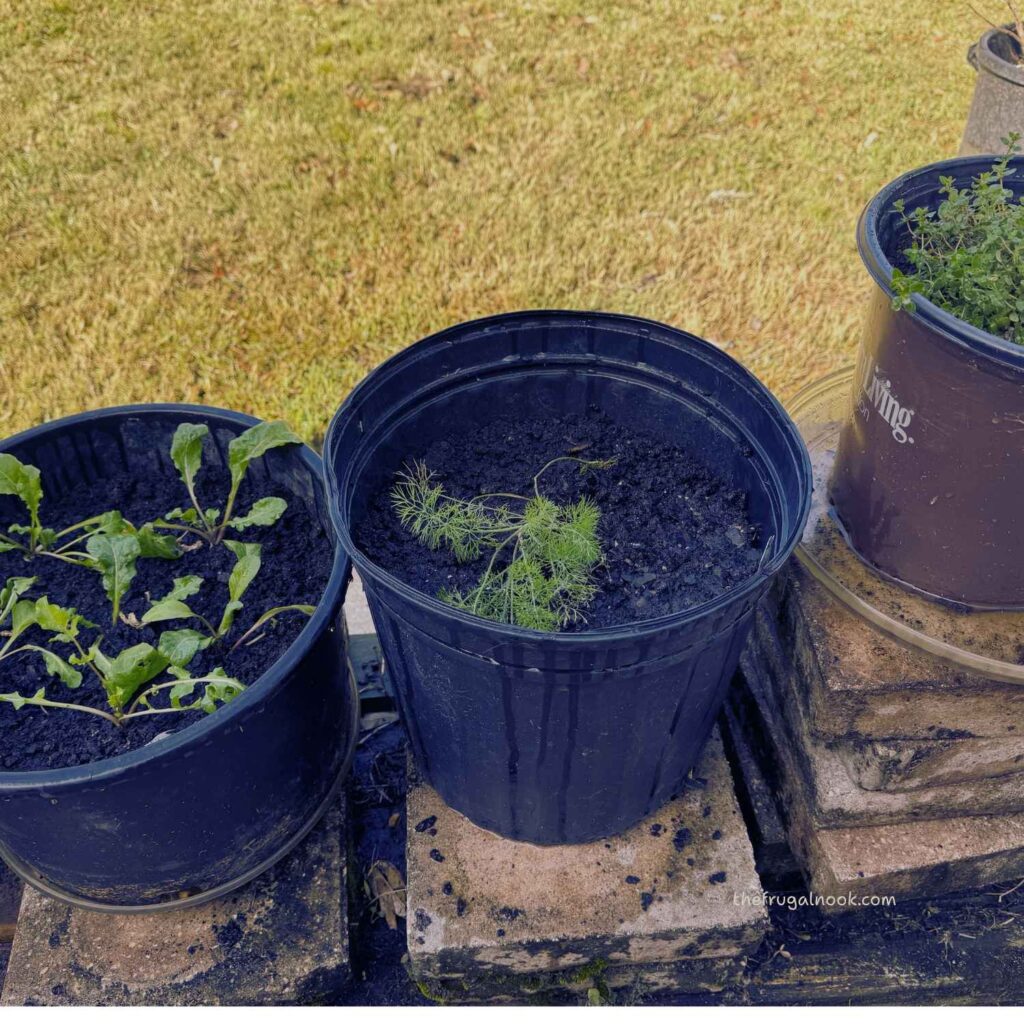
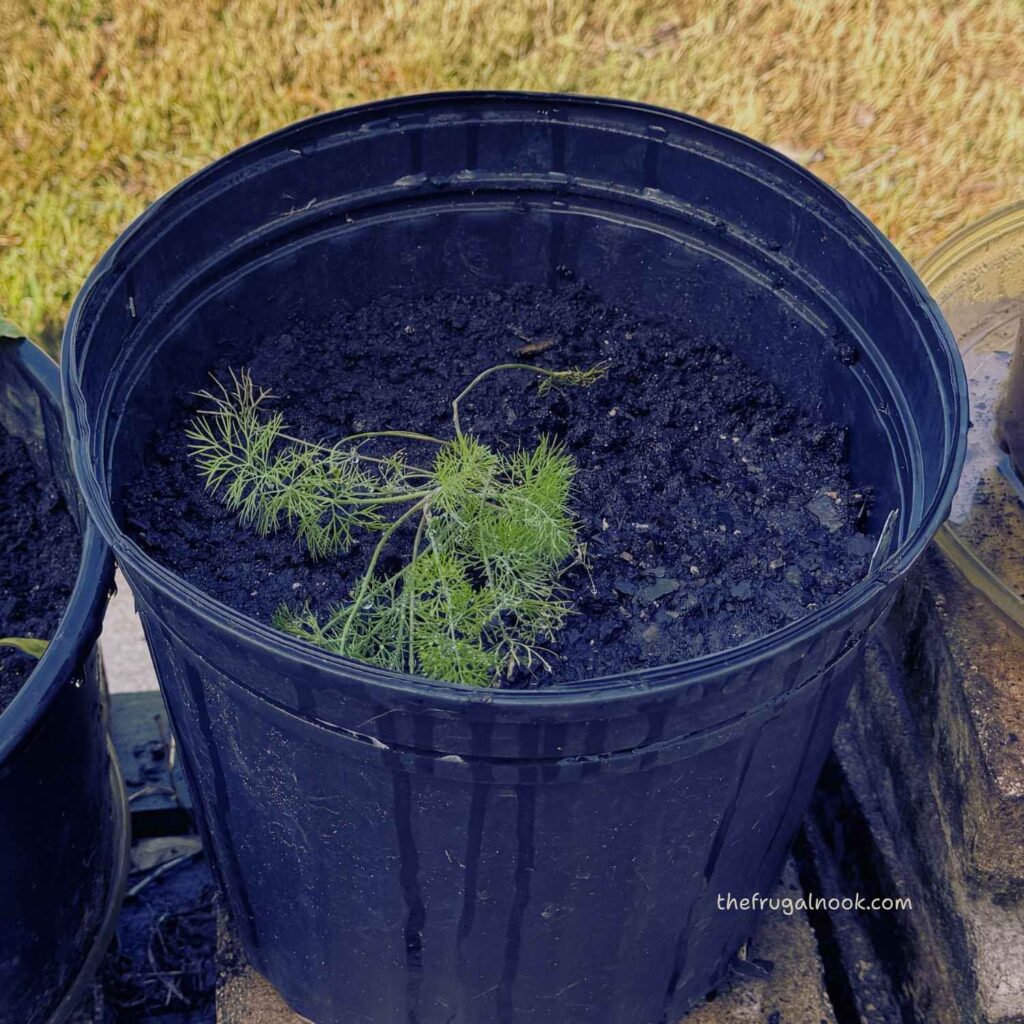
- Dill: it gets its own pot.
- Mint: it spreads, so it lives in a pot by itself.
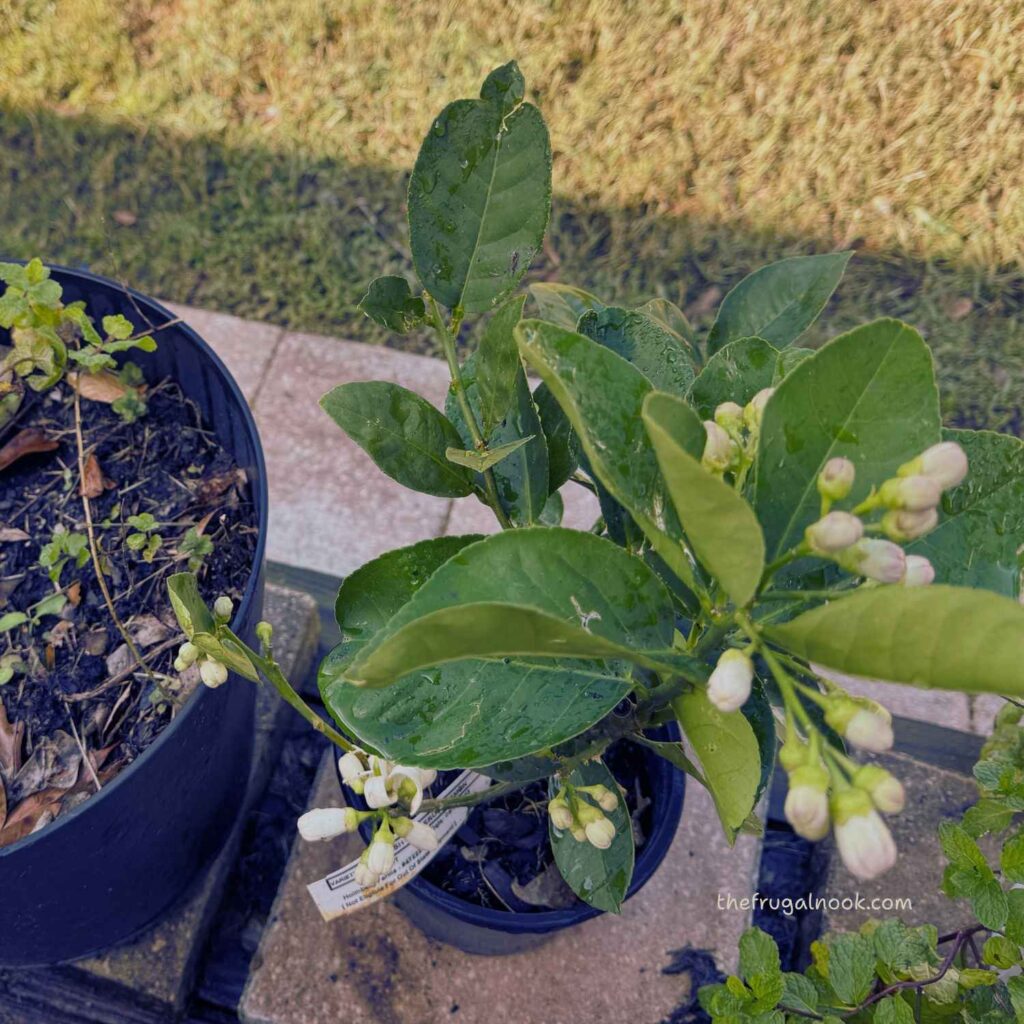
- Ponderosa lemon: a small tree in a 2.5 quart pot. It was my biggest purchase.
Amazingly, my tarragon, chives, and parsley survived everything, so they were already in the pots and aren’t on my receipt. So did the lemongrass, because lemongrass just grows without trying. I started with one sprig three years ago and I’ve given away so much of it. I’ve cut it all the way down, and short of removing the roots, which is really hard, it keeps coming back. If you plant it, give it its own pot.
Garlic is next. I don’t have a planter with drainage holes for it yet, and I won’t put it in a pot that holds water. As soon as I have the right container and more soil, it goes in.
My Pots and Soil
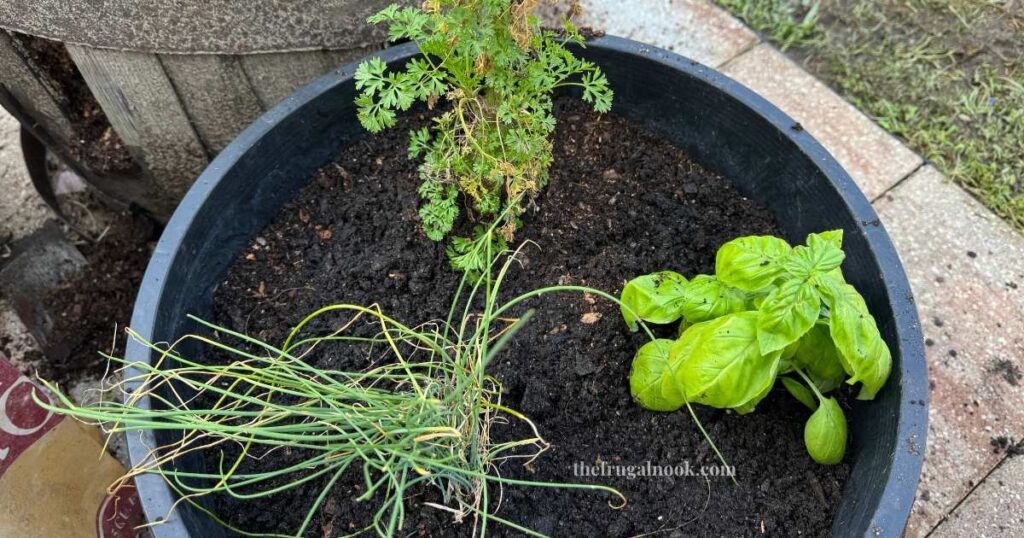
Most of my pots are 5 gallon or smaller, and the shared pot for basil, chives, and parsley is a little larger. None of them match, and that’s fine. The one rule I won’t bend on is drainage holes. If water can’t get out of the bottom, the roots sit in it and rot.
For soil, I mixed my old potting soil with a bag of NearSource Organics Raised Bed & Container Mix that I already had and had never used, plus one new 25 quart bag of potting soil. The NearSource is peat free and made for raised beds and containers. Mixing old with new stretches the budget. I also added pea gravel or river rock to help keep soil from washing out of the drain holes.
When you shop, look for “container” or “potting” on the bag. Plain garden soil can pack down in a pot and drain badly.
For the tools I use, I list the few tools I use further down in this post that will help you with starting your garden. I highly recommend the hand pruning shears, garden trowel and leather garden gloves.
What Grows Well Together
Group plants by what they need. Before two plants share a pot, ask three questions: do they want the same amount of water, do they want the same amount of sun, and will one of them crowd the other out? If the answer to any of those is no, they get separate pots. A plant that wants steady moisture and one that wants to dry out will never both be happy in the same pot.
The Old Farmer’s Almanac has a guide to companion planting with herbs that I refer to. It says herbs can share a pot when they have similar light and water needs, that mint belongs in its own pot because it spreads so vigorously, and it lists basil, parsley, and chives as good companions.
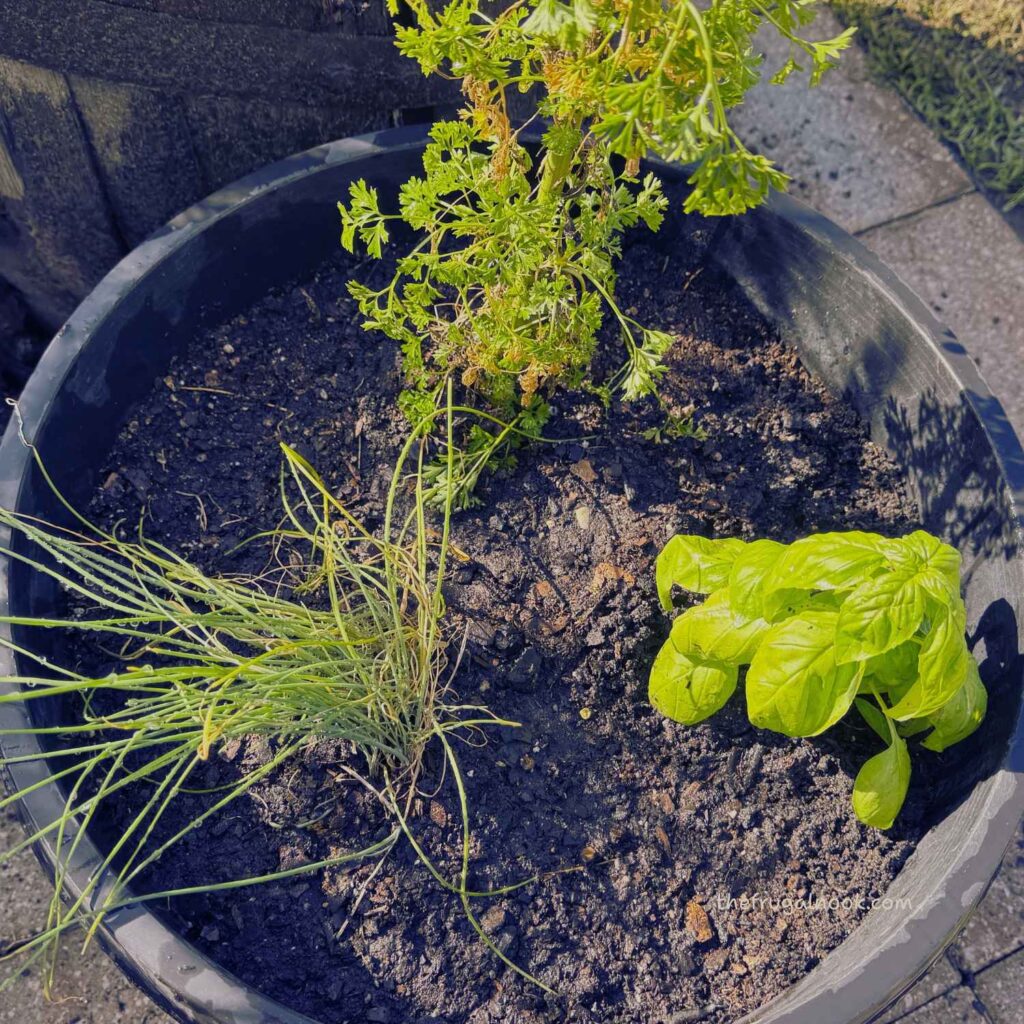
Here’s how I grouped mine, and why:
- Lettuce, arugula, and chard like steady moisture. These are cool weather greens, which is why they’re my fall planting. Keep the soil evenly damp, not soggy, and they stay tender instead of turning bitter.
- Thyme prefers to dry out between waterings. It’s a woody herb that wants good drainage and hates wet feet, so mine has its own pot. After it rains, empty the saucer so the roots don’t sit in water.
- Mint spreads. It sends out runners and will crowd out anything it shares a pot with, so it gets its own pot. My lemongrass is the same way. It grows without any effort, so it gets its own pot too.
- Dill and tarragon each get their own pot. Dill gets tall and feathery and can shade its neighbors. Tarragon is a perennial that dies back in cool weather and comes back in spring, so it’s nice to give it a pot it can stay in.
- Chives, basil, and parsley share one large pot. They all like regular watering and good soil, so they get along in my biggest pot.
- My Ponderosa lemon a small tree in a 2.5 quart pot. It was my biggest purchase. It’s staying in a pot until I’m ready to transplant it into the ground, so that might be a while.
A simple way to plan your own: put the thirsty plants together, put the ones that like to dry out together, and give anything that spreads, like mint and lemongrass, a pot to itself. Leave room for each plant to grow too. Crowded plants compete for water and light, and they dry out faster.
If you want to go deeper on what to plant together, Lisa Mitchell at Fluxing Well has a lot of companion planting and herb growing ideas.
Why I Move My Basil
Of everything I grow, basil is the one I fuss over the most. It’s a warm weather herb, so it does best in heat and sun, and it doesn’t handle cold nights or days of rain. That’s a big reason I grow it in a pot. A pot means I can pick it up and move it somewhere warm and dry when the weather turns, which I couldn’t do if it were planted in the ground.
I lost one full, healthy basil plant to flowering because I was away. Once basil flowers, the leaves turn bitter and the plant stops producing. This time I’m watching it closely. When the temperatures dropped and the rain kept coming, I moved the pot somewhere warm and dry.
Pinch it just above a pair of leaves so it grows bushy and pinch off any flower buds right away. Even so, basil you take care of, and move around when it needs it, will go to seed and new plants will develop. That’s how I kept basil growing for a few years instead of just one season.
What Can You Make With It?
Growing herbs only pays off if you use them, so I plan around what I cook. Here’s what I use each one for:
- Lettuce, arugula, chard: salads, wraps, eggs, sautés, soups
- Basil: pesto, tomato dishes, salads
- Dill: eggs, potatoes, dips, fish
- Lemon thyme: roasted potatoes, chicken, fish, soups
- Mint: tea
- Ponderosa lemon: lemons, someday
Fresh herbs change a dish, and walking out to snip what I need beats buying a package I won’t finish. Basil, parsley, and dill go into just about everything I cook. My recipes live on my sister site, My Tasteful Threads, so these links will take you there. I stir parsley and chives into my homemade goat cheese, and I add parsley to my easy vegetable soup made from leftover vegetables. Dill is the topper on my breakfast skillet with potatoes, and my husband loves dill in his eggs too. Basil goes into my salsa and plenty of other dishes.
📌 Save This Pin for Later 📌
How to Harvest
Harvesting is what keeps most of these plants producing. The more you cut, the more they give you, so don’t be shy with the scissors. Here’s how I harvest each one:
- Lettuce and chard: pick the outside leaves and leave the center to keep growing.
- Arugula: cut when the leaves are a few inches long. Young leaves taste milder.
- Basil: pinch just above a pair of leaves, and take from the top so the plant branches.
- Dill, parsley, and chives: cut the outer stems at the base and leave the center.
- Thyme and tarragon: snip sprigs, and don’t take more than about a third of the plant at a time.
- Mint: cut stems back often. It grows right back, and trimming keeps it from getting leggy.
- Lemongrass: cut stalks near the base as you need them. Mine keeps coming back no matter how hard I cut it.
Cutting regularly is the lesson my rosemary and basil taught me. When nobody was cutting them back, they flowered.
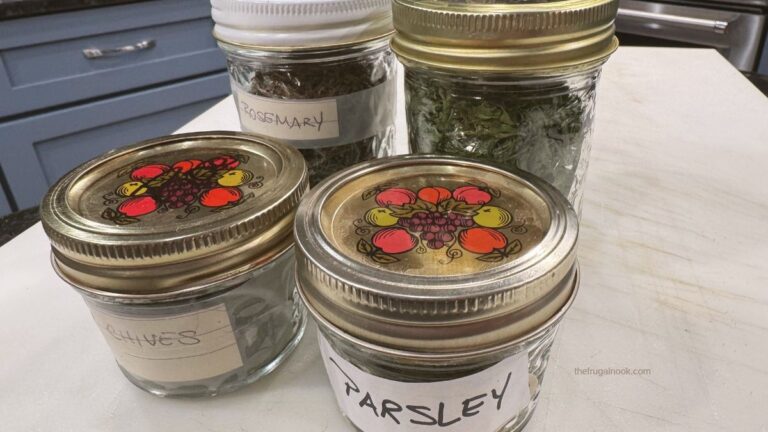
Have more than you can use? See my post on how to dry herbs at home.
Tools I Use
Here are the items I reach for when I am working in my garden.
- Hand rake: This handy tool acts like a fork for weeding and digging hard areas in the planter
 Buy Now →

- Hand pruning shears: These make quick, clean cuts when I’m harvesting herbs and greens or trimming plants back. Regular snipping is what keeps my herbs bushy and producing.
 Buy Now →
- Garden trowel: This is what I use for digging, planting, and scooping soil into pots. It’s small enough for container gardening and sturdy enough for packed soil.
 Buy Now →
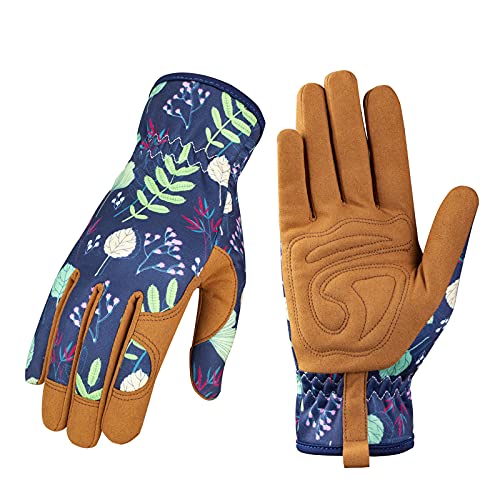
- Leather Gardening gloves: I wear these any time my hands are in the dirt. They keep my hands clean and protected while I dig, weed, and trim.
 Buy Now →
You can find these and more of my favorites in my Amazon storefront.
What It Cost
Here’s the breakdown of what I bought:
- Mint: $14.38
- Buttercrunch lettuce, 6 pack: $5.38
- Lemon thyme: $5.38
- Arugula, 6 pack: $5.38
- Swiss chard, 6 pack: $5.38
- Dill: $5.38
- Sweet Genovese basil: $5.38
- Ponderosa lemon, 2.5 qt: $21.58
- Potting soil, 25 qt bag: $5.09
Not counting the lemon tree, the plants and soil came to $51.75. I’m counting the $21.58 Ponderosa lemon separately, since it’s a long-term tree and not a salad or herb. The pots were free because I already had them, and I’m not counting the tarragon, chives, parsley, lemongrass, or the NearSource soil I already owned. Keep in mind, prices vary by store and location.
Is it worth it? For me, yes, and the savings show up over time. A head of buttercrunch at the store runs $4.99 to $6.99, and one $5.38 six-pack can give several heads. Fresh basil is $4.99 and doesn’t last a week in the fridge, while a plant in a pot keeps going as long as someone is home to pinch it back. The herbs that come back are where the real savings are. My tarragon, chives, and parsley survived the storm and cost me nothing this year. I’ve kept basil growing for a few years instead of one season. And my lemongrass started as one sprig three years ago, and I’ve given away so much of it.
What I’d Tell You Before You Start
- Start small. You can always add more pots later, and you don’t need to buy new ones to begin. I used the containers I already had, and the only rule was drainage holes.
- Grow what you’ll actually use. I’ve given away so much lemongrass, and it’s still growing. Before you buy a plant, ask what you’ll cook with it. Plant what you’ll use or what you can happily give away.
- Plan for being away. Figure out who can water for you before you travel, and try to schedule your trips around your planting. A few missed days is one thing. A summer of travel and a house in renovation, like mine, is another.
- Keep trimming. My rosemary and basil flowered because nobody was cutting them back. Regular trimming keeps herbs bushy and producing.
Frequently Asked Questions
Can I grow herbs in pots without drainage holes?
I wouldn’t. If water can’t get out of the bottom, the roots sit in it and rot. If you love a pot that has no holes, use it as a decorative outer pot around a plain pot that does.
Why did my basil flower?
Once basil starts to flower, it’s trying to make seed, and the leaves turn bitter. Mine flowered because I was traveling and wasn’t there to pinch it. Pinch just above a pair of leaves often, and pinch off flower buds right away.
Is it better to start herbs from seeds or from plants?
I start with plants that are already potted. I’ve bought a lot of seeds that never germinated, and unless you start early and prepare before planting, seeds are hard to make work. Potted plants have saved me time and money in the long run.
Which herbs need their own pot?
Mint spreads, and so does lemongrass, so each gets its own pot. Dill gets its own pot too. Chives, basil, and parsley are fine sharing a larger one.
Final Thoughts
A garden that fits your life is better than a big one you can’t keep up with. Mine is small right now, and it’s growing again. It isn’t fancy. It’s a handful of mismatched pots, a few plants I trust, and a fresh start after a rough year. But it gets me outside, it takes the tension out of my shoulders, and it puts fresh herbs and greens on my table for a lot less than the store charges.
If you’ve been thinking about trying container gardening, start with a pot or two and add more as you go. I’ll keep sharing what grows, what doesn’t, and what it really costs.
Stay Connected
Want more frugal gardening ideas, budget tips, and honest numbers from my garden? Join The Frugal Nook newsletter and get new posts in your inbox.

About Me
I’m Mary Ann, the face behind The Frugal Nook (and its sister site, My Tasteful Threads). Before blogging, I spent years in IT project management which probably explains why everything I do here, from meal planning to home organizing, tends to come with a checklist!
These days, my focus has shifted to what actually matters to me: making a home run smoothly without overspending, cooking meals that stretch further, and finding simple, doable ways to live well on less. I’m also a grandmother, which means a lot of what I share here gets tested (and approved) by the people I love most.
The Frugal Nook isn’t about deprivation or living without, it’s about being intentional with what you have and finding joy in the process. I’m so glad you’re here, and I hope you’ll stick around.