21 Simple Frugal Living Habits I Learned From My Grandmother
When I first started out on my own, frugal living wasn’t a choice — it was survival. I didn’t think of myself as practicing old fashioned frugal living. I just knew I had to make smart choices if I wanted to keep the lights on, pay rent, and still enjoy life a little.
Looking back, so much of what got me through those early days came from my grandmother. She grew up in a time when nothing was wasted. She always found a way to make things stretch – a scrap of fabric, a pot of soup, a garden bed. She showed me that living simply and include a few frugal habits here and there could also mean living well.
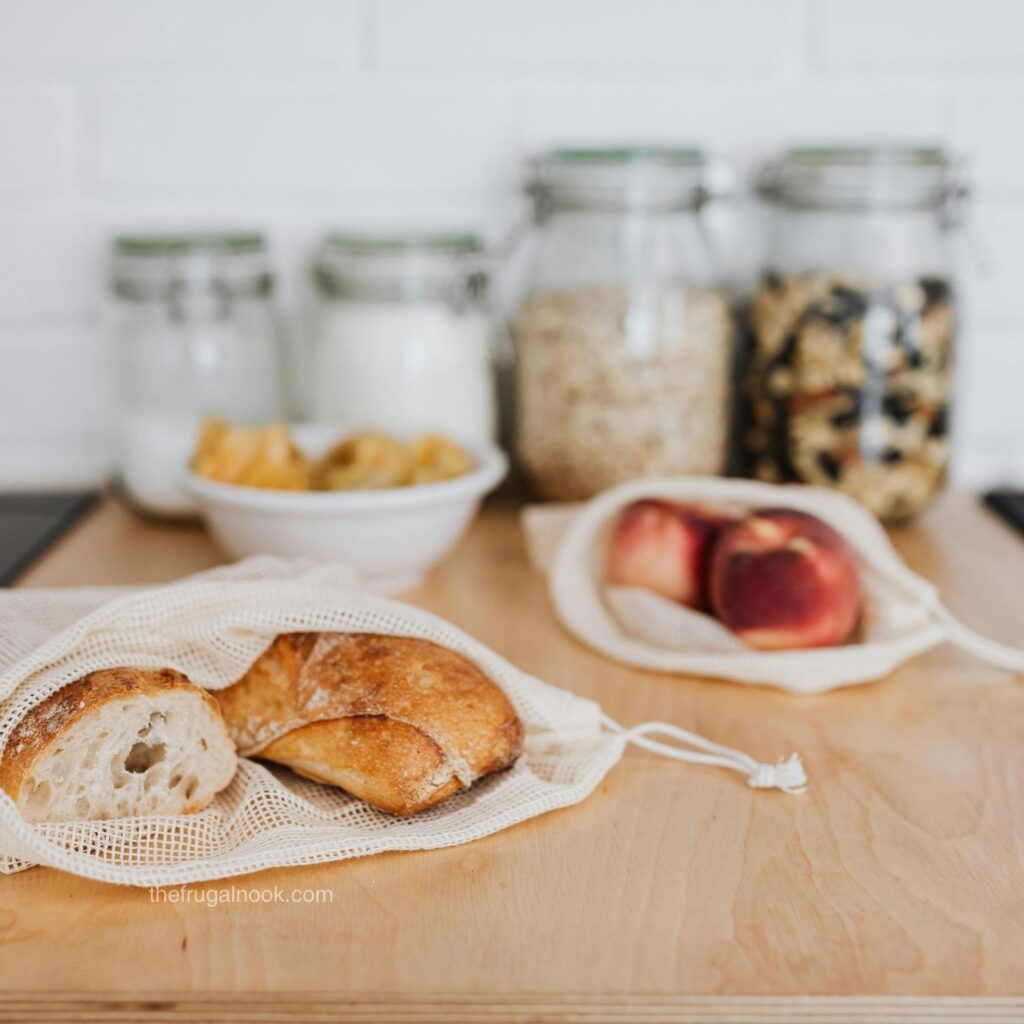
Why Old Fashioned Frugal Living Matters Again
A dollar doesn’t stretch the way it used to. Groceries, rent, gas — it all costs more than it did even a few years ago, and paychecks haven’t kept up. It’s part of why so many of us are quietly going back to old fashioned frugal living: cooking from scratch, growing a little of our own food, making do with what’s already in the house. The Slow Rooted Life provides these old-fashioned habits still work.
The habits that felt old fashioned a generation ago are starting to feel necessary again. Not because frugal living is trendy, but because it works. My grandmother didn’t call it a lifestyle; she just called it common sense. These days, I think she’d say the rest of us are finally catching up.
These are the habits I picked up from her, out of necessity at first, and still use today.
In the Kitchen
1. Shop the Sales and Plan Meals Around Them
I couldn’t afford to shop without a plan. Every week I’d scan the grocery flyers, circle the sales, and build my meals around whatever was cheapest that week. My grandmother did the same, her meals were built around what was in season or on sale. It felt restrictive at first. Then I realized I was trying new recipes and wasting less food.
2. Batch Cooking and Freezer Meals
Cooking every night wasn’t realistic, but eating out wasn’t in the budget either. I started making double batches on weekends – casseroles, soups, sauces and freezing portions for later. My grandmother always said, “If you’re going to make one loaf of bread, you might as well make two.” That mindset carried me through, and it still does.
3. Choose Store Brands Over Name Brands
Most of the time, the difference is the label, not the quality. Switching to store brand staples freed up money without changing what ended up on the table.
4. Substitute Instead of Running to the Store
If a recipe calls for something I don’t have, I look for what I do have before making a special trip. It’s saved me more grocery runs than I can count, and I’ve discovered good substitutions along the way.
5. Make Your Own Broth Instead of Buying It
Vegetable scraps and bones from meals don’t have to go straight in the trash. I freeze them until I have enough for a pot of homemade broth. It costs almost nothing and tastes better than anything from a carton.
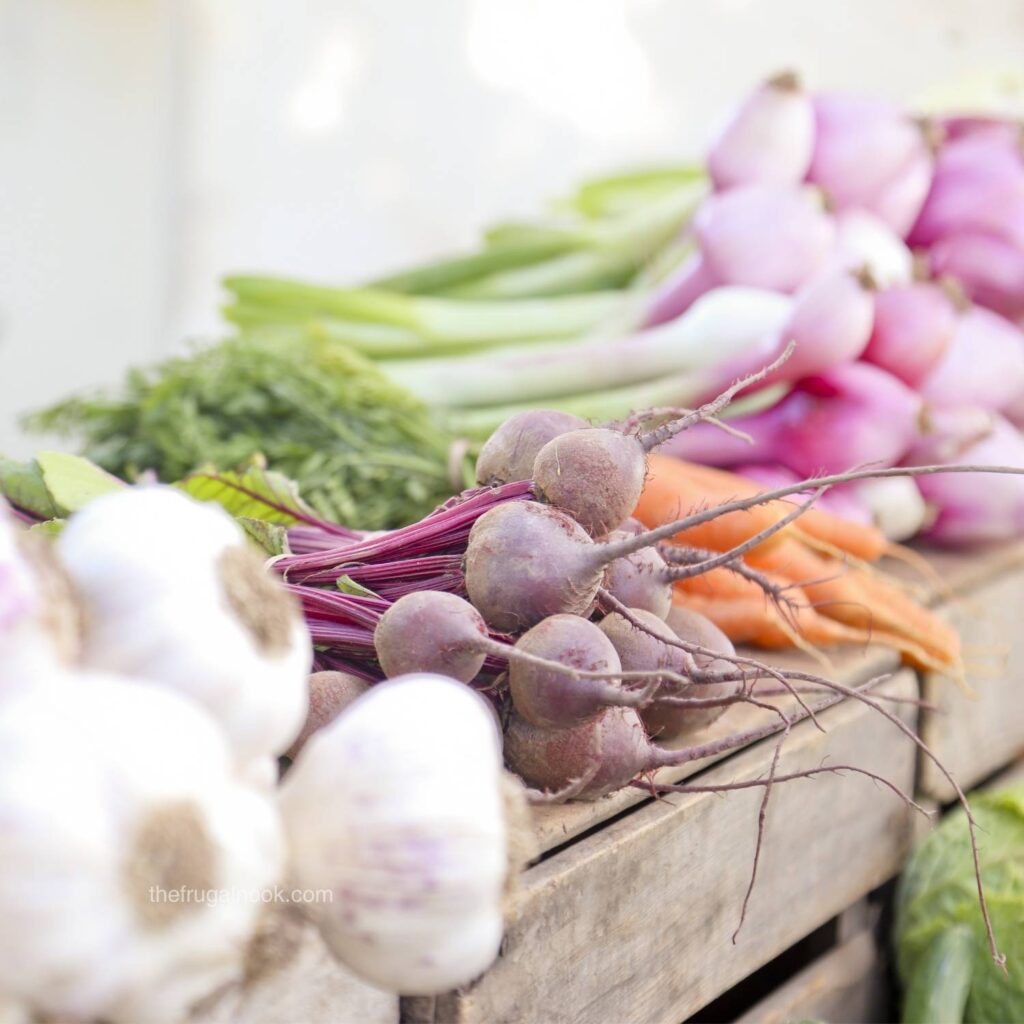
6. Shop the Farmers Market for Deals
Depending on the season, farmers markets can be surprisingly affordable, especially near closing time. It’s also a way to support local growers while stretching a grocery budget.
7. Make Your Own Seasonings
Pre-mixed seasoning blends cost more than they should. Making my own from spices I already have on hand costs less and tastes fresher every time.
Around the Home
8. Decluttering Helped Me Spend Less
Looking around my tiny apartment, I realized I didn’t need more stuff; I needed less. I donated what I wasn’t wearing and promised myself I wouldn’t buy new unless I truly needed it. My grandmother never bought things without a purpose. That simple shift changed how I shopped.
9. Growing a Small Herb Garden
I didn’t have much space, so I grew herbs in little pots by the window. It saved me from buying fresh herbs at the store, and honestly, it felt good to nurture something. My grandmother had a huge garden when I was young. I can still remember the smell of her tomatoes and herbs. Growing my own, even on a small scale, made me feel connected to her.

10. Use Reusable Cloths Instead of Paper Towels and Napkins
A stack of cloth towels and napkins does the same job as paper ones, over and over, instead of once. It’s a small switch that quietly pays for itself.
11. Buy Secondhand When You Can
Thrift stores and secondhand shops became a first stop instead of a last resort. Some of my favorite pieces — kitchen tools, home decor, even furniture came from finding something with a little life left in it.
Your Money
12. Use Coupons Where They Actually Help
Not every coupon is worth clipping, but the ones that line up with what you’re already buying can add up fast. I started keeping a small stack for staples I use every week instead of chasing every deal.
13. Cancel Unused Subscriptions
It’s easy to forget what you’re paying for each month. I went through my bank statement and canceled everything I hadn’t actually used in the last month. It was uncomfortable to see how much had been quietly slipping out.
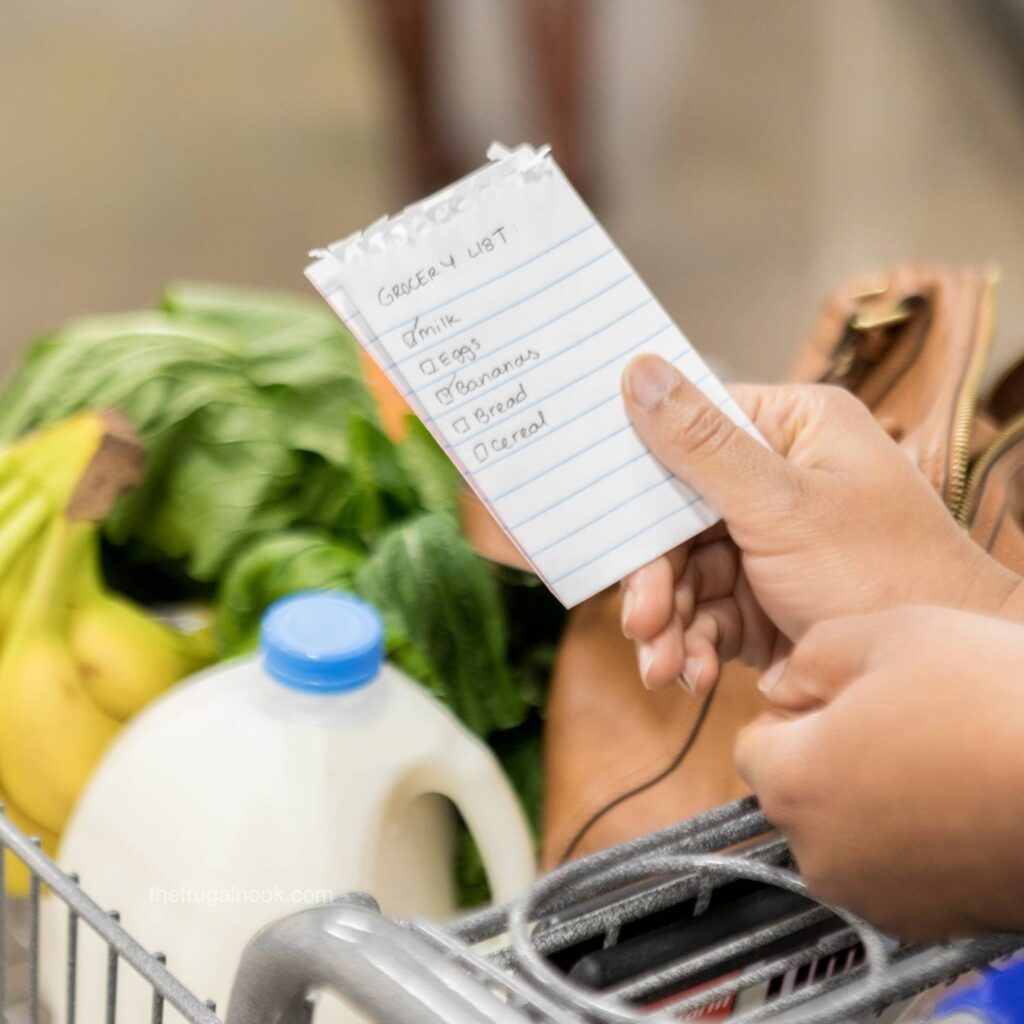
14. Always Shop With a List
Walking into a store without a plan is how impulse spending happens. A list keeps me focused on what I actually need, and I stick to it more often than not.
Everyday Habits Add Up
15. Share and Borrow Resources
Books and movies were luxuries I couldn’t justify. I leaned on the library, swapped books with friends, borrowed kitchen tools from neighbors. It reminded me of how my grandmother traded recipes and shared garden vegetables with hers. Community was always part of her frugal living, and I began to see how much richer life felt when I shared instead of bought.
16. Finding Free or Low-Cost Fun
Money for entertainment was almost nonexistent, so I got creative. Trips to the library, potluck dinners with friends, evenings spent crocheting filled that gap. My grandmother always said the best times didn’t cost much – laughter around the dinner table often meant more than an expensive outing.
17. Breaking the Impulse Buying Habit
I’d see something cute in a store and instantly want it. Over time I taught myself to wait 24 hours before buying. Nine times out of ten, I realized I didn’t need it. My grandmother was a master of patience, she’d remind me that if you can wait, you’ll often find out you didn’t need it at all.
18. Make Your Own To-Go Coffee
A coffee shop habit adds up faster than people realize. I started brewing my own and pouring it into a travel cup on my way out the door. Small habit, real savings over a month.
19. Pack Your Lunch
Eating out for lunch a few times a week can quietly eat a huge chunk of a paycheck. Packing leftovers or a simple sandwich became second nature, and it meant I actually had money left for the things that mattered more to me.
20. Skip the Soda, Drink More Water
This one’s simple but it adds up, both in dollars and in how I feel. Water became the default, and soda became the occasional treat instead of the everyday habit.
21. Wash and Vacuum Your Own Car
A trip to the car wash for a full treatment can run anywhere from $10 to $30, depending on what you choose. I started washing and vacuuming my own car instead, and it became one of those small habits that quietly saves real money over a month. It’s turned into a fun activity to do with the kids too; a little soapy water, a hose, and a little friendly competition over who can get the wheels the shiniest. My grandmother never paid anyone to do something she could do herself, and now I’m passing that same lesson down.
More Frugal Living Posts
Building a Frugal Mindset: 6 Simple Steps to See Where Your Money Goes
Final Thoughts
These habits started as survival, but they turned into something I still carry with me, even now, with more breathing room in my budget. Living frugally taught me that it isn’t about doing without. It’s about being intentional.
My grandmother’s example taught me that frugal living like your grandparents did isn’t just about doing without. It builds resilience, gratitude, and creativity.It builds resilience, gratitude, and creativity. I still think of her every time I make a pot of broth from scraps or wait out that 24 hours before buying something I don’t need.
📌 Save this Pin 📌
Stay Connected
If you enjoyed these frugal habits and old fashioned living tips, there’s more where that came from. I share more old fashioned living tips, frugal ideas, recipes, and frugal living tips, and some behind-the-scenes stories regularly; Join the Frugal Nook Notes.
About Me
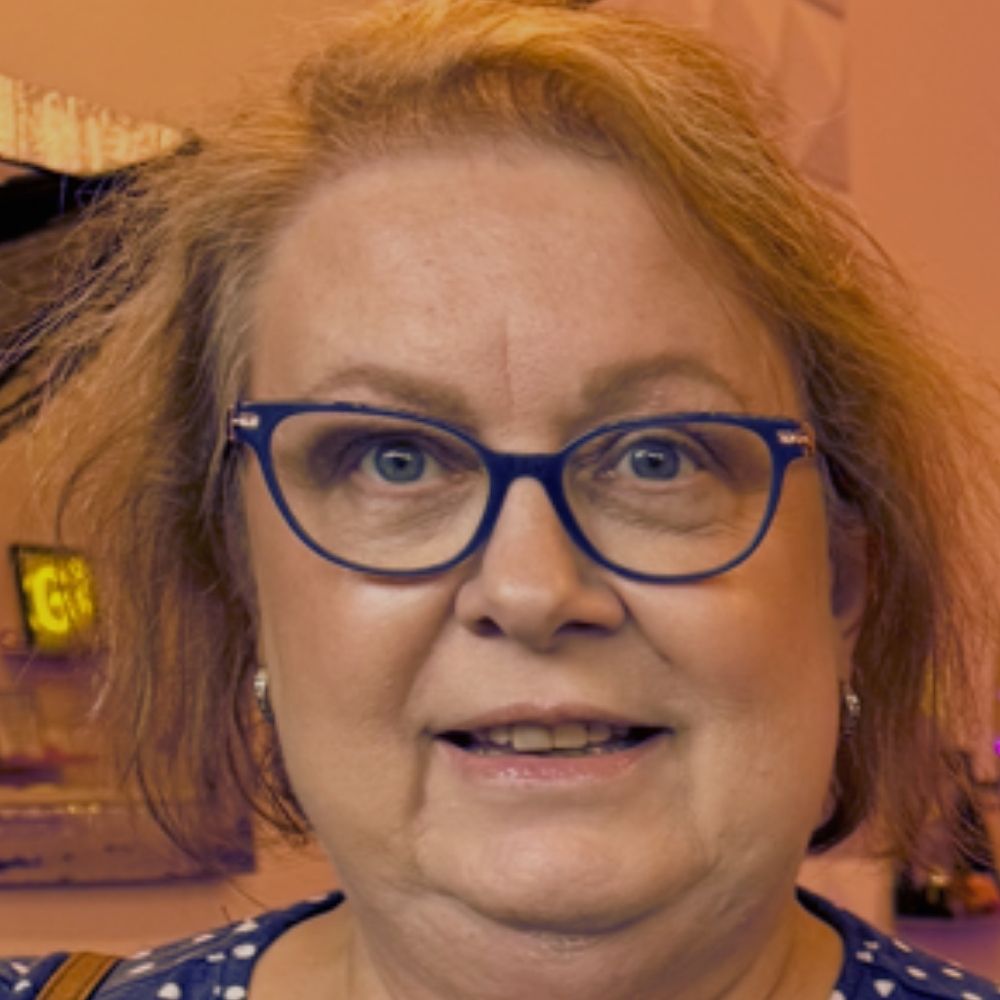
I’m Mary Ann, the face behind The Frugal Nook (and its sister site, My Tasteful Threads). Before blogging, I spent years in IT project management which probably explains why everything I do here, from meal planning to home organizing, tends to come with a checklist!
These days, my focus has shifted to what actually matters to me: making a home run smoothly without overspending, cooking meals that stretch further, and finding simple, doable ways to live well on less. I’m also a grandmother, which means a lot of what I share here gets tested (and approved) by the people I love most.
The Frugal Nook isn’t about deprivation or living without, it’s about being intentional with what you have and finding joy in the process. I’m so glad you’re here, and I hope you’ll stick around.